
How to Master LinkedIn Lead Generation for High-Converting Leads
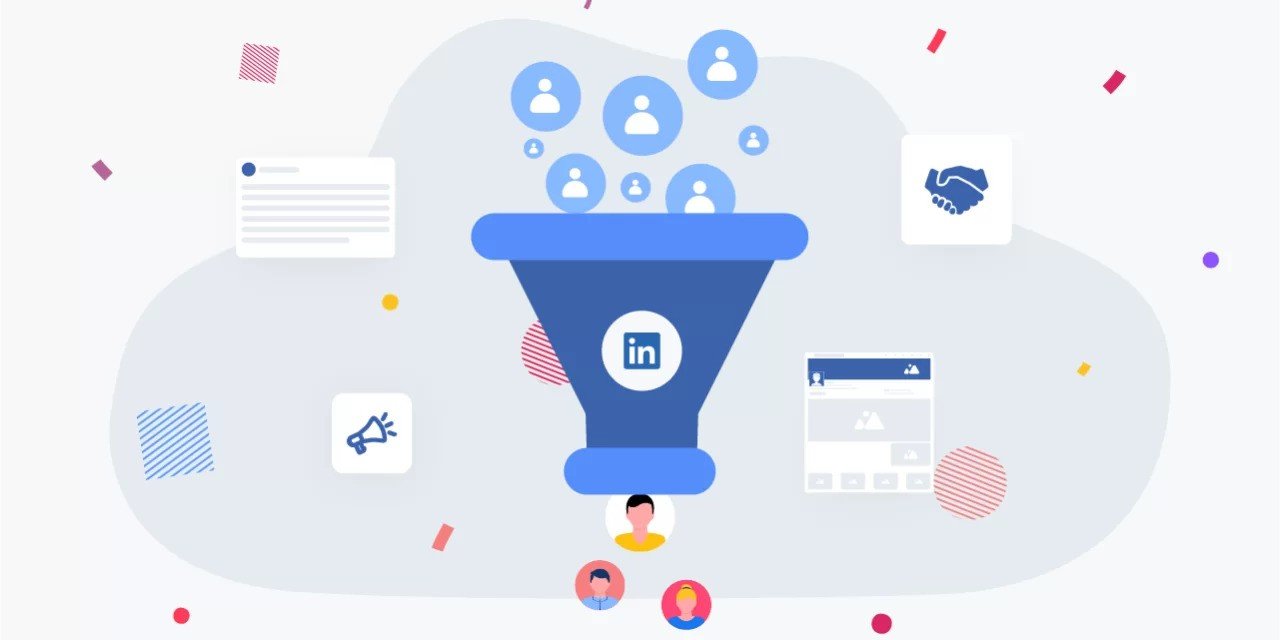
LinkedIn lead generation gives B2B companies direct access to decision-makers, helps start business conversations, and builds a steady sales pipeline. LinkedIn generates 80% of B2B social media leads, making it a strong platform for reaching founders, CXOs, managers, and senior buyers. It covers profile improvement, ICP targeting, outreach, content, LinkedIn search, and tracking.
Optimise Your LinkedIn Profile as a Lead Magnet
Your LinkedIn profile should clearly explain who you help, what problem you solve, and why prospects should trust you.
Start with a clear headline that mentions your service and target audience. Use your banner to show your offer or positioning. Your About section should explain your work in simple language, backed by credibility points or case examples.
Add relevant keywords for discoverability, such as your service, industry, and target market. Use the Featured section for a clear CTA, such as booking a call, viewing a case study, or visiting your service page.
Define Your Ideal Customer Profile
A strong LinkedIn lead generation strategy starts with knowing exactly who you want to reach.
Define your ICP based on industry, company size, job title, geography, and business challenges. For example, if you sell HR solutions, your target may be HR heads or founders in companies with 50+ employees.
Targeting the wrong audience reduces conversions and wastes outreach effort. LinkedIn filters help narrow your prospect list and keep your campaign focused.
Build a Connection Strategy That Converts
LinkedIn outreach is not about sending the same message to everyone.
Personalised connection requests perform better because they show that you have taken the time to understand the person. Mention their role, company, recent activity, or industry context.
A simple sequence works well: connect first, share value later, and pitch only when the conversation is relevant. Avoid spammy patterns, bulk messaging, and direct sales pitches in the first message. The goal is to create trust before asking for a meeting.
Use Content to Attract Inbound Leads
Content helps build familiarity before a prospect enters your inbox.
Post consistently about problems your buyers care about. Carousels, short opinion posts, polls, and client result posts all perform well in B2B feeds.
When prospects see your content regularly, your outreach feels less cold. Content also gives you a reason to connect and follow up without sounding forced. For B2B companies, useful content turns profile visitors into high-converting leads.
Use LinkedIn Search and Sales Navigator
LinkedIn search helps you find relevant decision-makers with basic filters such as job title, company, and location.
For deeper targeting, Sales Navigator gives more control. You can filter by seniority, department, geography, industry, company headcount, and recent activity. Boolean search can also help you find specific roles, such as “Founder” OR “CEO” OR “Managing Director”.
Save lead lists and track engagement regularly. This helps you follow the right prospects instead of building random lists.
Track, Measure, and Improve
To generate better LinkedIn B2B leads, track the right numbers every week.
Key metrics include connection rate, reply rate, meeting conversion rate, and lead quality. Test different connection messages and follow-up angles to see what works best.
A weekly review removes weak messaging and keep the campaign focused on qualified conversations.
Strong LinkedIn results come from a clear profile, an accurate ICP, personalised outreach, consistent content, and regular tracking — together, these build stronger conversations and more sales opportunities.
If you want expert support with LinkedIn lead generation, visit LinkLoom’s LinkedIn lead generation service page and start building a more consistent B2B pipeline.